학교
[EAP] 8주차 1차시
자기 인식 (Self-Awareness)
《위대함을 실천하기 Practicing Greatness》 1장
해롤드 대 짐 (Harold vs Jim)
A Leader's intentional search for self-understanding (리더의 의도적인 자기 이해 탐색)
Knowledge지식
Mindful마음 챙김 / 자각하고 있는 상태
Vigilance경계 / 깨어 있음
Conscious의식적인 / 인지하고 있는
Alert민감한 / 주의 깊은
Self-knowledge (Knowing who you are)자기 인식 (당신이 누구인지 아는 것)
Self-mindfulness (Understanding your motives for doing what you do)자기 마음챙김 (당신이 어떤 행동을 하는 이유와 동기를 이해하는 것)
Self-vigilance (Knowing what makes you tick and what ticks you off – what makes you motivated and what makes you angry)자기 경계 (당신을 움직이게 하는 것과 화나게 하는 것을 아는 것 – 무엇이 당신을 동기부여하게 하고, 무엇이 분노를 유발하는지 이해하는 것)
Self-conscious (Knowing how you come across to others)자기 의식 (다른 사람들에게 당신이 어떻게 비춰지는지 아는 것)
Self-alertness (Maintaining your emotional, physical, and spiritual condition)자기 경계 유지 (감정적, 신체적, 영적 상태를 지속적으로 관리하고 유지하는 것)
Self-aware leaders (자기 인식이 있는 리더들)
Gives them insight
자기 인식은 통찰력을 준다Know who they are and why they are here
자신이 누구이며 왜 이 자리에 있는지를 안다Know the behaviors and values that support their mission
자신의 사명을 지지하는 행동과 가치가 무엇인지 알고 있다Know how to measure their success
자신의 성공을 어떻게 측정해야 하는지 알고 있다They know what they are gifted at and what they are not gifted at
자신의 강점과 약점을 명확히 인식하고 있다They are on a path of constant learning—strategic learning that supports their personal growth and missional effectiveness
그들은 지속적인 학습의 길을 걷고 있으며, 이는 개인의 성장과 사명의 효과성을 높이는 전략적인 학습이다.
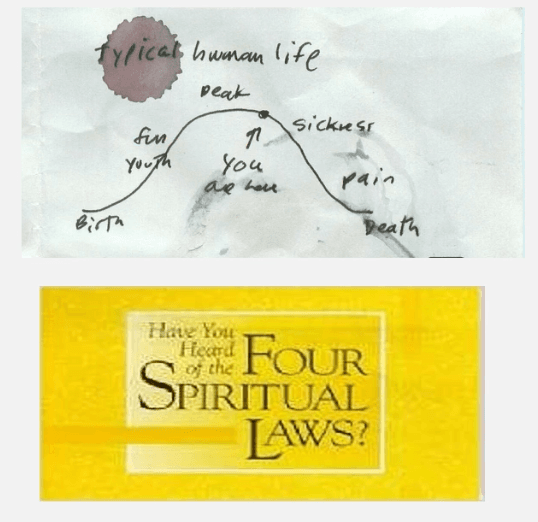
Self-aware leaders are comfortable with who they are자기 인식이 있는 리더는 자신의 모습 그대로를 편안하게 받아들인다
They know who they are – they are intimately acquainted with themselves그들은 자신이 누구인지 알고 있으며, 자기 자신을 깊이 이해하고 있다
There are many leaders who don't know themselves well and are trying to accomplish their mission without this security많은 리더들이 자신을 잘 알지 못한 채, 이러한 내면의 안정감 없이 사명을 이루려 애쓰고 있다

DAVID
? Psalm 23 시편 23편
The LORD is my shepherd, I lack nothing.여호와는 나의 목자시니, 내게 부족함이 없으리로다.
He makes me lie down in green pastures, he leads me beside quiet waters,그가 나를 푸른 초장에 눕게 하시며, 쉴만한 물가로 인도하시는도다.
he refreshes my soul. He guides me along the right paths for his name’s sake.내 영혼을 소생시키시고, 자기 이름을 위하여 의의 길로 인도하시는도다.
Even though I walk through the darkest valley, I will fear no evil, for you are with me;your rod and your staff, they comfort me.주의 지팡이와 막대기가 나를 안위하시나이다.내가 사망의 음침한 골짜기를 다닐지라도 해를 두려워하지 않을 것은, 주께서 나와 함께 하심이라.
You prepare a table before me in the presence of my enemies.You anoint my head with oil; my cup overflows.내 머리에 기름을 부으셨으니, 내 잔이 넘치나이다.주께서 내 원수의 목전에서 내게 상을 차려주시고,
Surely your goodness and love will follow me all the days of my life,and I will dwell in the house of the LORD forever.내가 여호와의 집에 영원히 살리로다.내 평생에 선하심과 인자하심이 반드시 나를 따르리니,
? Psalm 139 시편 139편
You have searched me, LORD, and you know me.여호와여, 주께서 나를 살펴보셨으므로 나를 아시나이다.
You know when I sit and when I rise; you perceive my thoughts from afar.내가 앉고 일어섬을 아시며, 멀리서도 내 생각을 통촉하시오며,
You discern my going out and my lying down; you are familiar with all my ways.나의 길과 눕는 것을 감찰하시며, 나의 모든 행위를 익히 아시나이다.
Before a word is on my tongue you, LORD, know it completely.여호와여, 내 혀의 말을 알지 못하시는 것이 하나도 없으시니이다.
You hem me in behind and before, and you lay your hand upon me.주께서 나의 앞뒤를 둘러싸시고, 내게 안수하셨나이다.
Such knowledge is too wonderful for me, too lofty for me to attain.이 지식이 내게 너무 기이하니, 높아서 내가 능히 미치지 못하나이다.
? Psalm 51 시편 51편
Have mercy on me, O God, according to your unfailing love;according to your great compassion blot out my transgressions.주의 많은 자비를 따라 내 죄악을 지워주소서.하나님이여, 주의 인자하심을 따라 나를 긍휼히 여기시며,
Wash away all my iniquity and cleanse me from my sin.나의 죄악을 말끔히 씻으시며, 나의 죄를 깨끗이 제하소서.
For I know my transgressions, and my sin is always before me.무릇 나는 내 죄과를 아오니, 내 죄가 항상 내 앞에 있나이다.
Against you, you only, have I sinned and done what is evil in your sight;so you are right in your verdict and justified when you judge.주께서 말씀하실 때 의로우시고, 심판하실 때 순전하시니이다.내가 주께만 범죄하여 주의 목전에 악을 행하였사오니,
Surely I was sinful at birth, sinful from the time my mother conceived me.내가 죄악 중에 출생하였으며, 모친이 죄 중에 나를 잉태하였나이다.
Yet you desired faithfulness even in the womb;you taught me wisdom in that secret place.내 속에 지혜를 알게 하시리이다.보소서, 주께서는 중심에 진실함을 원하시오니,
PAUL
: 이 말씀은 사도 바울이 자신이 육체적으로 자랑할 만한 조건을 다 내려놓고, 오직 그리스도를 아는 지식과 믿음 안에서 의롭게 되는 것, 그분을 따르기 위한 열정, 그리고 궁극적으로 하늘의 부르심에 응답하는 삶을 강조하는 내용이다.
? Philippians 3 (빌립보서 3장)
4. If someone else thinks they have reasons to put confidence in the flesh, I have more:누군가 육체를 신뢰할 만한 이유가 있다고 생각한다면, 나는 더 많습니다.
5. circumcised on the eighth day, of the people of Israel, of the tribe of Benjamin, a Hebrew of Hebrews; in regard to the law, a Pharisee;나는 팔일 만에 할례를 받았고, 이스라엘 족속이며, 베냐민 지파요, 히브리인 중의 히브리인이며, 율법으로는 바리새인이요,
6. as for zeal, persecuting the church; as for righteousness based on the law, faultless.열심으로는 교회를 박해하고, 율법의 의로는 흠이 없는 자입니다.
7. But whatever were gains to me I now consider loss for the sake of Christ.그러나 무엇이든지 내게 유익하던 것을, 나는 그리스도를 위하여 해로 여깁니다.
8. What is more, I consider everything a loss because of the surpassing worth of knowing Christ Jesus my Lord, for whose sake I have lost all things. I consider them garbage, that I may gain Christ더 나아가 내 주 그리스도 예수를 아는 지식이 가장 고상함으로 인해, 모든 것을 해로 여깁니다. 나는 그리스도를 얻기 위해 모든 것을 잃었고, 그것들을 배설물로 여깁니다.
9. and be found in him, not having a righteousness of my own that comes from the law, but that which is through faith in Christ—the righteousness that comes from God on the basis of faith.율법에서 나는 내 의가 아닌, 그리스도를 믿는 믿음을 통해 오는 하나님의 의를 얻어 그 안에 발견되기를 원합니다.
10. I want to know Christ—yes, to know the power of his resurrection and participation in his sufferings, becoming like him in his death,나는 그리스도와 그의 부활의 능력을 알고, 그의 고난에 참여하며, 그의 죽으심을 본받고자 합니다.
11. and so, somehow, attaining to the resurrection from the dead.그러므로 어떻게 해서든지 죽은 자들 가운데서 부활에 이르려 합니다.
12. Not that I have already obtained all this, or have already arrived at my goal, but I press on to take hold of that for which Christ Jesus took hold of me.내가 이미 이것을 얻었다거나 온전히 이루었다는 것이 아니라, 오히려 그리스도 예수께서 나를 붙잡으신 그것을 붙잡으려고 쫓아갑니다.
13. Brothers and sisters, I do not consider myself yet to have taken hold of it. But one thing I do: Forgetting what is behind and straining toward what is ahead,형제자매 여러분, 나는 내가 아직 그것을 붙잡았다고 여기지 않습니다. 다만 한 가지, 뒤에 있는 것은 잊고, 앞에 있는 것을 향하여 힘을 다해 달려가며,
14. I press on toward the goal to win the prize for which God has called me heavenward in Christ Jesus.그리스도 예수 안에서 하나님이 위에서 부르신 부름의 상을 위하여, 표 때를 향하여 달려갑니다.
JESUS
? Matthew 4:1–11 (마태복음 4:1–11)
1. Then Jesus was led by the Spirit into the wilderness to be tempted by the devil.
예수께서 성령에 이끌려 마귀에게 시험을 받으러 광야로 가셨다.2. After fasting forty days and forty nights, he was hungry.
사십 주야를 금식하신 후에 줄이셨다.3. The tempter came to him and said, “If you are the Son of God, tell these stones to become bread.”
시험하는 자가 예수께 와서 말하였다. “네가 하나님의 아들이거든 이 돌들에게 명하여 떡이 되게 하라.”4. Jesus answered, “It is written: ‘Man shall not live on bread alone, but on every word that comes from the mouth of God.’”
예수께서 대답하셨다. “기록되었으되, 사람이 떡으로만 살 것이 아니요, 하나님의 입에서 나오는 모든 말씀으로 살 것이라.”5. Then the devil took him to the holy city and had him stand on the highest point of the temple.
마귀가 예수를 거룩한 성으로 데려가 성전 꼭대기에 세우고,6. “If you are the Son of God,” he said, “throw yourself down. For it is written:
“네가 하나님의 아들이거든 뛰어내리라. 기록되었으되,”‘He will command his angels concerning you, and they will lift you up in their hands, so that you will not strike your foot against a stone.’”
“그가 너를 위하여 천사들을 명하실 것이요, 그들이 손으로 너를 붙들어 네 발이 돌에 부딪히지 않게 하리라.”7. Jesus answered him, “It is also written: ‘Do not put the Lord your God to the test.’”
예수께서 말씀하셨다. “또 기록되었으되, 주 너의 하나님을 시험하지 말라 하였느니라.”8. Again, the devil took him to a very high mountain and showed him all the kingdoms of the world and their splendor.
마귀가 다시 그를 매우 높은 산으로 데려가 세상의 모든 나라와 그 영광을 보여주며,9. “All this I will give you,” he said, “if you will bow down and worship me.”
“네가 나에게 엎드려 경배하면 이 모든 것을 네게 주겠다” 고 말했다.10. Jesus said to him, “Away from me, Satan! For it is written: ‘Worship the Lord your God, and serve him only.’”
예수께서 말씀하셨다. “사탄아, 물러가라! 기록되었으되, 주 너의 하나님께 경배하고, 다만 그를 섬기라 하였느니라.”11. Then the devil left him, and angels came and attended him.
그때 마귀는 예수를 떠났고, 천사들이 와서 수종들었다.
John 13:3–5 (요한복음 13:3–5)
3. Jesus knew that the Father had put all things under his power, and that he had come from God and was returning to God;
예수께서는 아버지께서 모든 것을 자기 손에 맡기셨고, 자기가 하나님께로부터 오셨으며, 하나님께로 돌아가신다는 것을 아셨다.4. so he got up from the meal, took off his outer clothing, and wrapped a towel around his waist.
그래서 그는 저녁 식사 자리에서 일어나 겉옷을 벗고, 수건을 허리에 두르셨다.5. After that, he poured water into a basin and began to wash his disciples’ feet, drying them with the towel that was wrapped around him.
그런 다음 그는 대야에 물을 부으시고, 제자들의 발을 씻기기 시작하셨으며, 허리에 두르신 수건으로 그 발을 닦으셨다.
Jesus knew that the Father had put all things under his power, and that he had come from God and was returning to God
→ 예수께서는 아버지께서 모든 것을 자기 손에 맡기셨고, 자기가 하나님께로부터 오셨으며, 하나님께로 돌아가신다는 것을 아셨다.
Family of Origin원가족 (출생 가정)
Before getting into this topic, let's make clear what our goal is (or what our goal is not)
이 주제에 들어가기 전에, 우리의 목적이 무엇인지 (또는 무엇이 아닌지) 분명히 해둡시다.The goal here is not to blame parents or other family members for our shortcomings – although this can be very tempting for some.
여기서의 목적은 우리의 부족함에 대해 부모나 가족을 비난하려는 것이 아닙니다 — 어떤 사람에게는 그럴 유혹이 클 수도 있지만요.By exploring the impact our families have had on us, we can take responsibility for who we are and how we behave and feel.
우리 가족이 우리에게 어떤 영향을 주었는지를 탐색함으로써, 우리는 현재의 나 자신과 나의 행동, 감정에 대해 책임질 수 있게 됩니다.There are not only negative things from our family of origin stories (some may have mostly positive things but this is not true for everyone)
우리 원가족의 이야기에는 부정적인 면만 있는 것이 아닙니다. 어떤 사람에게는 긍정적인 면이 대부분일 수 있지만, 모두에게 그런 것은 아닙니다.We can think of positive things: love, humor, strong self-reliance, emotional intelligence, etc
우리는 긍정적인 요소들도 떠올릴 수 있습니다: 사랑, 유머, 강한 자립심, 감정 지능 등.
The only way leaders can free themselves from the past is to explore it fully.
리더가 과거로부터 자유로워질 수 있는 유일한 방법은 그 과거를 철저히 탐색하는 것이다.If they don’t, they risk carrying around stuff with them that they don’t even know is there and should not be there.
그렇지 않으면, 그들은 자신도 인식하지 못한 채, 존재해서는 안 될 감정이나 상처를 계속 끌어안고 다닐 위험이 있다.Leaders will not understand what is making them so upset, they will not be in control of themselves. Often they condemn themselves by reacting to unidentified forces.
리더는 무엇이 자신을 그렇게 힘들게 하는지 이해하지 못하게 되고, 스스로를 통제하지 못할 것이다. 종종 정체 모를 내적 힘에 반응하며 자신을 정죄하게 된다.

Relationship skills can suffer if you don't confront family of origin issues원가족 문제를 직면하지 않으면, 대인 관계 능력에 부정적인 영향을 줄 수 있다.
Communication patterns
의사소통 방식Capacity for intimacy
친밀감을 형성하는 능력Conflict-resolution skills
갈등 해결 능력View of authority
권위에 대한 관점All important behaviors for how we respond to others are formed at a young age.
우리가 타인에게 어떻게 반응하는지를 결정하는 중요한 행동들은 어린 시절에 형성된다.Why is this so important for leadership?
이것이 리더십에서 왜 그렇게 중요할까?Because leadership is mostly about managing relationships.
리더십은 대부분 관계를 관리하는 것이기 때문이다.Billy’s problem – page 15–16
빌리의 문제 – 15~16쪽 참고

Challenges from our family of origin우리가 자란 가정(원가족)으로부터 오는 도전들
Being the blessed child – or not
축복받은 아이로 자랐는가 – 혹은 그렇지 않았는가Hidden addictions and compulsions
숨겨진 중독과 강박 행동들Your boundaries or lack of them: avoidants, controllers, nonresponsives
당신의 경계(또는 경계 부족): 회피형, 통제형, 무반응형
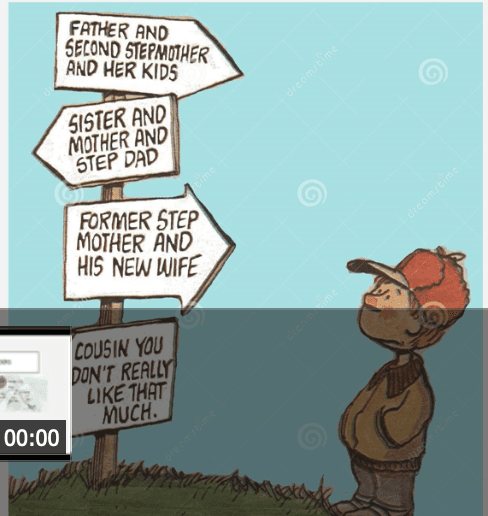
Were you the 'blessed child'?당신은 '축복받은 아이'였나요?
Unconditionally accepted for who you are, not what you do|
당신이 한 일이 아니라, 당신 그 자체로 무조건적으로 받아들여지는 것Being loved in an unshakeable way
흔들림 없는 방식으로 사랑받는 것Feeling valued
자신이 소중한 존재라고 느끼는 것Parents provide positive expectations and experiences of empowerment, trust, confidence
부모는 자녀에게 긍정적인 기대와, 권한 부여, 신뢰, 자신감의 경험을 제공한다These children build their lives on a platform of love, belonging, and acceptance
이러한 아이들은 사랑, 소속감, 그리고 수용이라는 기반 위에 삶을 세워간다

Not all of us are the 'blessed child'우리 모두가 ‘축복받은 아이’는 아니다
If we aren’t blessed we can pursue the blessing by working hard to gain others’ approval. We can end up having our lives directed by other peoples’ expectation and demands.
우리가 축복받지 못했다면, 다른 사람들의 인정을 받기 위해 열심히 노력함으로써 그 축복을 추구하게 됩니다. 그 결과, 우리는 타인의 기대와 요구에 의해 삶이 이끌리게 될 수 있습니다.Read Sheri’s example on page 17
17쪽에 있는 셰리(Sheri)의 예시를 읽어보세요.Not being blessed can manifest in anger towards authority – Read Jerry’s example on page 18
축복받지 못한 경험은 권위에 대한 분노로 나타날 수 있습니다 – 18쪽에 있는 제리(Jerry)의 예시를 읽어보세요.Can the unblessed become great leaders?
축복받지 못한 사람도 훌륭한 리더가 될 수 있을까요?Of course, as long as family of origin issues don’t interfere. These issues often result in trying to overcompensate in a number of ways which can lead to unhealthy life patterns and ultimately failure.
물론 가능합니다, 단 원가족의 문제가 방해되지 않는다면요. 이러한 문제들은 종종 여러 방식으로 과잉 보상을 시도하게 만들며, 이는 건강하지 못한 삶의 패턴을 형성하고 결국 실패로 이어질 수 있습니다.

Hidden addictions and compulsions숨겨진 중독과 강박 행동들
Common family of origin problems:
흔한 원가족(출생 가정) 문제들:Drugs or alcohol
약물 또는 알코올 중독Sex addictions
성 중독Lust for power
권력에 대한 탐욕Compulsive eating
강박적인 폭식Adrenaline addiction
아드레날린 중독 (위험하거나 극단적인 자극을 반복해서 추구하는 습관)Workaholism
일 중독Approval craving
인정받고자 하는 강박적인 욕구And more……
그 외에도 다양한 문제들……

I'm not an alcholic, I only drink to times a year. On my birthday, and when it's not my birthday.
It’s easier to recognize alcohol abuse as a problem but many are unaware that overeating can be used to ease emotional pain brought on by loneliness or inability to experience intimacy.
알코올 남용은 문제로 인식하기 쉬운 반면, 많은 사람들은 과식 또한 외로움이나 친밀감을 느끼지 못하는 데서 오는 감정적 고통을 완화하기 위한 수단이 될 수 있다는 사실을 잘 알지 못한다.If not alcohol or overeating, some leaders overwork themselves in an effort to be approved by others.
알코올이나 과식이 아니라면, 어떤 리더들은 다른 사람들의 인정을 받기 위해 과도하게 일에 몰두하기도 한다.Christian organizations can enable workaholics by blessing their overwork in the name of service/sacrifice for God.
기독교 단체들은 때로 ‘하나님을 위한 봉사/희생’이라는 이름으로 과도한 업무를 축복함으로써, 일중독을 조장할 수 있다.

Adrenaline addiction is a serious problem for some.
아드레날린 중독은 어떤 사람들에게는 심각한 문제입니다.Without self-awareness, these people maintain high stress levels. If they break their work rhythm, they risk losing that adrenaline rush so take few breaks.
자기 인식이 부족한 이들은 높은 스트레스 수준을 계속 유지합니다. 작업 리듬을 깨뜨리면 아드레날린이 주는 흥분 상태를 잃을까 봐 거의 휴식을 취하지 않습니다.They fear ‘coming down’.
그들은 ‘긴장이 풀리는 상태’를 두려워합니다.See Fred’s example on page 19
19쪽에 있는 프레드(Fred)의 사례를 참고하세요.
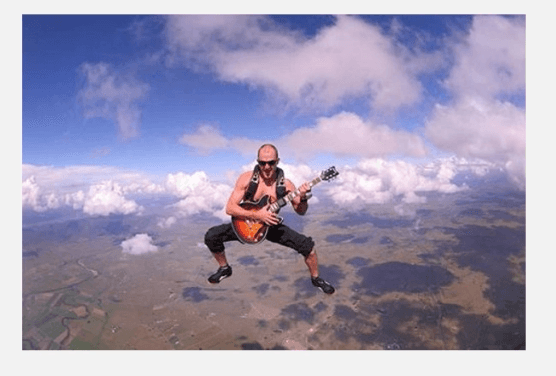
Boundaries경계 (자기 보호와 타인과의 건강한 관계를 위한 선)
If leaders do not have appropriate boundaries, they can get into serious psychological, emotional, and spiritual distress.
리더가 적절한 경계를 갖지 않으면 심리적, 감정적, 영적으로 심각한 어려움에 빠질 수 있다.Boundaries are important because we cannot do everything so we need to know which fences to close and which to open.
경계가 중요한 이유는 우리가 모든 것을 다 할 수 없기 때문이다. 그래서 어떤 울타리를 닫아야 하고, 어떤 울타리를 열어야 할지 아는 것이 필요하다.4 problematic boundary types: compliants, avoidants, controllers, and nonresponsives
문제가 되는 네 가지 경계 유형: 순응형(compliants), 회피형(avoidants), 통제형(controllers), 무반응형(nonresponsives)

Compliants순응형 (다른 사람의 요구를 거절하지 못하는 사람들)
These people allow others to violate their personal boundaries because they don’t want to hurt others’ feelings.
이들은 다른 사람의 감정을 상하게 하고 싶지 않기 때문에, 자신의 개인적인 경계를 침해당하는 것을 허용한다.They take on the responsibility of managing other people’s emotions when they probably shouldn’t.
그들은 자신이 감당하지 않아도 되는 타인의 감정을 관리하려는 책임을 떠안는다.They have a difficult time saying “NO” even when the request is too demanding.
요구가 지나치게 무리한 경우에도 “아니요”라고 말하는 데 어려움을 느낀다.After giving in to people’s demands, they often get angry because they lost so much time and energy.
사람들의 요구에 결국 굴복하고 나면, 자신이 많은 시간과 에너지를 잃었다는 이유로 분노를 느끼곤 한다.Why do they say “yes” to people when they shouldn’t?
왜 그들은 거절해야 할 상황에서도 “예”라고 말하는 걸까?Because they fear abandonment or rejection – see Chloe’s example on page 21
그것은 버림받거나 거절당할까 봐 두려워하기 때문이다 – 21쪽의 클로이(Chloe)의 예시를 참고하세요.

This is especially a problem for spiritual leaders because their work is all about helping people.
이것은 특히 영적 리더들에게 문제가 되기 쉬운데, 그들의 일은 사람들을 돕는 데 집중되어 있기 때문이다.Needs are many so boundaries are a necessity.
요구는 많기 때문에, 경계는 필수적이다.If people get into certain work to have their psychological needs met, this can be unhealthy. Eg. Looking for approval. Compliants can fall into this category.
사람들이 심리적인 욕구를 채우기 위해 특정 일을 하게 되면, 그것은 건강하지 못할 수 있다. 예: 인정받고자 하는 욕구. 순응형(compliant) 사람들은 여기에 해당할 수 있다.How to treat compliants? Helping them become self-aware and accountability.
순응형을 어떻게 도와야 할까? 자기 인식과 책임감을 갖도록 도와주는 것이다.Stop blaming others and realize it is their own needs and fears causing the problem.
타인을 비난하는 것을 멈추고, 문제의 원인이 자신의 욕구와 두려움이라는 사실을 인식해야 한다.Take the initiative to create new work rhythms. Schedule time when nobody can contact you.
스스로 새로운 업무 리듬을 만들 주도권을 가져라. 아무도 연락할 수 없는 시간을 일정에 포함시켜라.
Avoidants회피형 (자신을 보호하려고 관계나 감정 표현을 회피하는 사람들)
These people are the opposite of compliants; they close gates when they should let people in.
이들은 순응형(compliants)과는 정반대입니다. 사람들을 받아들여야 할 때 오히려 마음의 문을 닫습니다.They withdraw under pressure.
압박을 받으면 스스로를 철수시키고 물러납니다.Why? Usually because of some early family-of-origin experience. Something caused them emotional pain which led them to keep other people out.
왜 그럴까요? 보통은 어린 시절의 원가족 경험 때문입니다. 감정적 상처를 남긴 어떤 일이 있었고, 그로 인해 타인을 밀어내는 방식으로 자신을 보호하려 한 것입니다.

How avoidants keep people out:회피형은 사람들을 어떻게 밀어내는가:
Verbal gate-shutting (stopping conversation with a quick “I’m fine”)
말로 마음의 문을 닫기 ("괜찮아요"라는 짧은 말로 대화를 끊음)Creating emotional distance (keeping their guard up; not sharing thoughts/feelings)
감정적으로 거리를 두기 (경계를 세우고, 생각이나 감정을 나누지 않음)Physically withdrawing (keeping the door shut or being physically absent)
물리적으로 물러나기 (문을 닫거나, 아예 자리를 비우는 방식)This boundary problem leaves leaders lonely and isolated
이러한 경계 문제는 리더를 외롭고 고립된 상태로 만든다Leadership roles need emotional and psychological support because there are big emotional and psychological demands. If leaders do not recognize this boundary problem, they either implode or explode. – see Eugene’s example on page 22.
리더십 역할에는 감정적, 심리적 요구가 크기 때문에 감정적·심리적 지원이 필수적이다. 리더가 이러한 경계 문제를 인식하지 못하면, 내적으로 무너지거나 외적으로 폭발하게 된다 – 22쪽의 유진(Eugene) 사례 참조.It’s hard to help these people because they are usually absent. When there is a window to help, they need to be helped.
이런 사람들을 돕기 어려운 이유는 그들이 대개 감정적으로 '부재'하기 때문이다. 도움을 줄 수 있는 틈이 생겼을 때, 그들은 반드시 도움을 받아야 한다.
Controllers: Aggressive & passive통제형: 공격적인 방식과 수동적인 방식 모두 존재함
These people don’t respect others’ boundaries and sometimes don’t even realize boundaries exist.
이런 사람들은 타인의 경계를 존중하지 않으며, 때로는 경계라는 개념 자체를 인식하지 못하기도 한다.Aggressive: force their way into places they have no right to be in. Some spiritual leaders invade others’ privacy or are abusive with their spiritual authority fall into this category. Extreme examples can be cult leaders. See Alan’s example on page 23.
공격형: 자신에게 권한이 없는 영역까지 억지로 밀고 들어간다. 어떤 영적 리더들은 다른 사람의 사생활을 침해하거나, 영적 권위를 남용하는 경우도 이 범주에 해당한다. 극단적인 예로는 이단 종교 지도자들이 있다. 23쪽의 앨런(Alan) 사례 참조.Passive: these leaders control people through guilt and manipulation. They prey on the vulnerable. See Sandra’s example on page 23.
수동형: 이 유형의 리더들은 죄책감 유발과 조작을 통해 사람들을 통제한다. 주로 약한 사람들을 노린다. 23쪽의 샌드라(Sandra) 사례 참조.These leaders need to be aware of their lack of respect for other people. They often have to be very forcefully challenged in order to change.
이런 리더들은 자신이 타인을 존중하지 않고 있다는 사실을 자각할 필요가 있다. 변화하기 위해서는 때로 강력한 도전과 직면이 필요하다.

Nonresponsives무반응형 (Nonresponsives)
These leaders have learned not to respond to others’ needs or problems.
이 리더들은 타인의 필요나 문제에 반응하지 않도록 배워온 사람들이다.

PERSONAL MARKERS개인적 지표들
The Call – this frames the central story line in a spiritual leader’s life (Moses burning bush; Samuel anointing David; Saul on the road to Damascus). Spiritual leaders need to know this to keep them on track. Read Jordan’s example on page 26소명(The Call) – 영적 리더의 삶을 이끄는 중심 이야기의 틀을 형성합니다 (예: 모세의 떨기나무, 사무엘의 다윗 기름 부음, 다마스커스로 가는 길 위의 사울). 영적 리더는 자신의 소명을 알고 있어야 올바른 방향을 유지할 수 있습니다. 26쪽 조던(Jordan)의 사례를 참고하세요.
God-given Talent – self-aware leaders know what they are good at and what they are not good at. They know their strength and try to improve that, not weaknesses – Read Walt’s story on page 27. You can know your strengths and still be humble, recognizing your gifts come from God.하나님이 주신 재능(God-given Talent) – 자기 인식이 있는 리더는 자신이 잘하는 것과 그렇지 않은 것을 압니다. 그들은 자신의 강점을 알고, 약점이 아닌 강점을 계발하려 합니다. 27쪽의 월트(Walt)의 이야기를 읽어보세요. 자신의 강점을 인식하면서도, 그것이 하나님으로부터 온 것임을 알고 겸손할 수 있습니다.
Personal Traits – family relationships, temperament, personality, passions, values, lifestyle preferences and ministry preferences. Understanding cognitive styles: how a leader processes information (alone or with people, etc). Understanding cognitive styles can help you work with and appreciate other leaders.개인적 특성(Personal Traits) – 가족 관계, 기질, 성격, 열정, 가치관, 생활 방식, 사역 스타일 등의 요소들을 포함합니다. 인지 스타일(정보를 혼자 처리하는지, 함께 처리하는지 등)을 이해하는 것은 다른 리더들과 협업하고 존중하는 데 도움이 됩니다.
Key Events in Life – successes, failures, turning points in a leader’s life. May be positive or negative: encounter with God, death of a loved one, a great achievement, failed marriage, etc. Read Ruth’s example on page 29인생의 핵심 사건들(Key Events in Life) – 리더의 삶에서 중요한 성공, 실패, 전환점들을 말합니다. 이는 긍정적일 수도 있고, 부정적일 수도 있습니다: 하나님과의 만남, 사랑하는 사람의 죽음, 큰 성취, 결혼 실패 등. 29쪽의 루스(Ruth) 사례를 참고하세요.
THE DARK SIDE OF BEING A LEADER: 5 TYPES리더의 어두운 면: 5가지 유형
If you are aware of your dark side as a leader, you will be able to take responsibility for it and manage it.
리더로서 자신의 어두운 면을 인식할 수 있다면, 그것에 대해 책임지고 관리할 수 있게 된다.
1. Compulsive: need to maintain absolute order강박형: 절대적인 질서를 유지하려는 강한 욕구
2. Narcissistic: need the spotlight on them and view others as threats자기애형: 자신에게만 관심이 집중되길 원하며, 다른 사람들을 위협으로 간주함
3. Paranoid: insecure, don’t trust others, jealous of others, overreact to criticism편집형: 불안정하며, 타인을 신뢰하지 않고, 질투심이 많으며, 비판에 과도하게 반응함
4. Codependent: often help people to feed their own need to be needed. Often leads to burnout.공의존형: ‘누군가에게 필요하다는 느낌’을 충족시키기 위해 다른 사람을 도우며, 결국 탈진하게 됨
5. Passive-aggressive: resist others’ demands by procrastinating and by being stubborn and forgetful. Irritable and impatient, they create an unstable work environment.수동-공격형: 요구를 미루고, 고집을 부리며 잊어버리는 방식으로 저항함. 쉽게 짜증내고 참을성이 없어, 불안정한 업무 환경을 만듦

THE PRICE OF LACK OF SELF-AWARENESS자기 인식 부족의 대가
Becoming self-aware can take time and work but the rewards are worth it. You will be blessed and be a blessing to others.
자기 인식을 갖는 데는 시간과 노력이 필요하지만, 그 보상은 그만한 가치가 있습니다. 당신은 축복을 받을 것이며, 다른 이에게도 축복이 될 것입니다.Leaders who are not self-aware are hollow leaders – they have no sense of self and only work from the expectations of others; they have no inner core, no authenticity – they are just playing the role of leader.
자기 인식이 없는 리더는 텅 빈 리더입니다. 그들은 자기 자신에 대한 감각이 없고, 오직 타인의 기대에 따라 행동합니다. 내면의 중심도 없고, 진정성도 없으며, 단지 리더라는 역할을 '연기'하고 있을 뿐입니다.Also, these types of leaders can be so self-absorbed that they are unaware of others’ needs – it’s all about them.
또한, 이러한 유형의 리더는 너무 자기중심적이라 타인의 필요를 인식하지 못합니다 — 모든 것이 자기 자신에 관한 것입니다.Why are we here? To use our gifts to serve others. This is the path of fulfillment.
우리는 왜 존재할까요? 우리의 재능을 타인을 섬기는 데 사용하기 위해서입니다. 이것이 진정한 만족의 길입니다.